

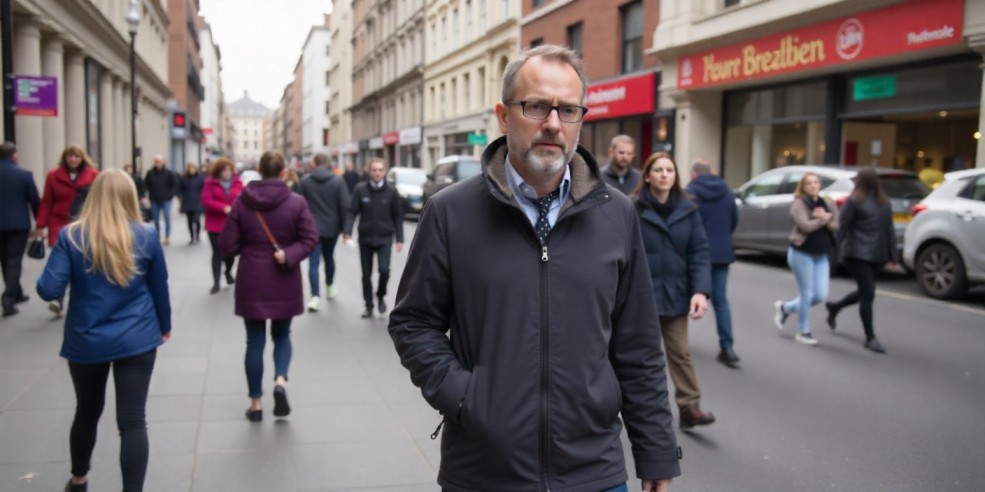
Denmark-Inspired UK Immigration Reforms: A Revolution. Denmark-inspired immigration policies in the UK seek to strike a balance between humanitarian obligation, asylum regulations, and border control.Summary:
In order to improve border security while upholding humanitarian obligations, the UK government is thinking about implementing immigration measures like to those in Denmark. Stricter asylum procedures, quicker removals, and integration requirements are among the suggested modifications, which are based on Denmark’s temporary protection model. The changes represent a significant change in both the UK’s international humanitarian position and immigration policy.
A Revolution in Immigration Law in the United Kingdom
As a reflection of a larger global discussion about sovereignty, humanitarian obligation, and public trust in border control, immigration has once again taken centre stage in British politics. Home Secretary Shabana Mahmood is apparently taking a lot of cues from Denmark’s tough stance on integration and asylum as she gets ready to unveil a fundamental overhaul of the system. Senior Home Office officials recently visited Denmark to examine how its policies manage refugee protection under controlled conditions while discouraging irregular migration, according to The Independent. Discussions about policy reform are becoming more urgent as the change occurs at a time when Channel crossings have hit all-time highs.
The official immigration framework of the UK Home Office provides background for the country’s existing immigration laws and enforcement priorities:
The current situation has been moulded by rising arrivals, public opinion, and internal political divisions. It is still hotly debated whether these changes signify a change in direction, a departure from previous asylum standards, or a political test of Labour’s ability to strike a compromise between values and realism.
Public Pressure and the Political Environment
The increase in small-boat crossings of the English Channel has turned into a political crisis as well as a humanitarian issue. The administration is under pressure from several angles, with an expected 38,000+ arrivals this year and 648 in a single recent day:
- Voters in “red wall” constituencies, which have historically leaned Labour, demand stricter enforcement.
- Business associations place a strong emphasis on integration potential and labour shortages.
- Humanitarian organisations emphasise moral and legal responsibilities.
- Housing, health care, and community systems are under stress, according to local governments.
The public discussion now concentrates on identity, justice, and the direction of the country rather than just numbers. The challenging issue for policymakers is to strike a balance between border control and Britain’s commitment to giving shelter.
Why People Are Paying Attention to the Danish Model
Because Denmark changed the definition of asylum from permanent settlement to temporary protection, it is now frequently mentioned in discussions about immigration in Europe. It seeks to deter irregular immigrants while upholding international legal conformity by changing its framework.
Now, British politicians are keeping a close eye on that model, using it as a strategic reference point to create a new system that satisfies domestic expectations rather than as a model to follow exactly.
Comprehending the Danish Immigration Policy
Strict border controls, integration requirements, and restricted residency are all key components of Denmark’s immigration policy. The intention is to see asylum as a short-term fix rather than a means of obtaining permanent status unless applicants can unmistakably show constructive contributions and sustained integration into society.
Rather than Permanent Settlement, Temporary Protection
Many refugees are given temporary protection rather than permanent residency under Danish legislation. Renewal is dependent upon:
- Stability in the nation of origin of the refugee
- Evidence of economic involvement
- Indicators of social integration
This approach is intended to provide flexibility in adapting to shifting domestic and international circumstances.
Strict Guidelines for Family Reunification
In Denmark, family reunion frequently entails:
- Extended waiting times
- Requirements for accommodations, language, and income
- Evidence of potential long-term residency
Supporters of these programs maintain that they promote greater personal responsibility and integration, while detractors claim they postpone family togetherness.
Requirements for Integration and “Contribution to Society”
The Danish government emphasises that in order to be accepted, people must make constructive contributions. This comprises:
- involvement in cultural and linguistic initiatives
- Vocational training or employment
- Expectations for good behaviour
These guidelines are outlined in detail by the Danish Ministry of Immigration:
Proponents think this strategy encourages responsibility. Its detractors see it as burdensome and exclusive to weak entrants.
Planned Reforms and Policy Direction in the UK
It seems that the UK government is investigating the possibility of adapting integration criteria and temporary protection principles to its current administrative and legislative frameworks.
Early recommendations point to numerous key areas of reform, even though final details have not yet been released.
Stricter Guidelines for Family Reunions and Asylum Procedures
Changes that are planned could include:
- Reduced eligibility for reuniting with family
- Enhanced identity and relationship verification
- Increased usage of short-term rather than long-term leave
Reducing pull factors for irregular migration while concentrating on regulated, legal entrance points is the aim.
Immediate Removal Procedures and Enforcement of Border Control
The plan put forth by Home Secretary Mahmood places a strong emphasis on discouraging illegal immigration and expediting the deportation of those who do not fit the requirements for asylum. This is consistent with the government’s larger narrative on giving the system “credibility.”
Collaboration on Policy with Denmark and EU Members
In close consultation with Danish Immigration Minister Rasmus Stoklund, the UK is anticipated to look into:
- Collaborative border intelligence
- Return contracts
- Common approaches to managing asylum
This illustrates the fact that solo policy frequently has little impact and that migration is intrinsically international.
Political Disparities in the UK Government
Significant internal conflict within Labour has been revealed by the proposed change.
Red Wall Constituencies’ Support
Voters expect, according to Labour MPs from post-industrial constituencies:
- Robust enforcement
- Border control that is visible
- Just but strict asylum decisions
Effective immigration policy, according to these MPs, is essential to re-establishing confidence.
Humanitarian organisations and progressive lawmakers’ opposition
Other Labour leaders caution that:
- Danish-style changes run the risk of normalising stringent asylum regulations
- Psychological harm and extended uncertainty may be experienced by vulnerable groups.
- The UK’s international humanitarian identity could be harmed.
The issue is moral as well as technological.
Humanitarian, Legal, and Social Aspects
Immigration has an impact on actual people, communities, and social cohesiveness; it is not only a policy issue.
Effects on Stateless People and Asylum Seekers
Systems for temporary protection typically mean:
- People’s lives are still uncertain.
- Longer periods of family separation
- There may be limitations on access to work and education.
Prolonged uncertainty can have long-lasting mental and social effects on displaced persons, the UNHCR cautions:
Dangers of Social Disintegration and Marginalisation
Integration difficulties may worsen when legal rights change frequently:
- Communities may split along economic or cultural lines.
- Refugees could feel ostracised or unwanted.
- Social trust may erode
Both sovereignty and belonging must be taken into account in a balanced strategy.
Possible Long-Term Effects of the Reforms
The UK’s immigration system’s future course could influence:
- Realities of the economic workforce
- Diversity and regional cohesiveness
- Diplomatic ties between countries
- adherence to international frameworks for refugees
Asylum and Refugee Rights in the UK’s Future
Asylum applicants may encounter the following if temporary protection becomes the norm:
- Long-term ambiguity
- Increased residency requirements
- Increased pressure to show an early economic impact
The UK’s international identity might be reframed as a result.
The Harmony of Human Rights and Sovereignty
According to the University of Oxford’s Migration Observatory, immigration discussions frequently lie at the intersection of practicalities and values:
International cooperation, public communication, and political will are necessary to maintain this balance.
Conclusion: The Future of Immigration to the UK
The UK is in a pivotal position. While adopting parts of Denmark’s model might allay public worries about border security, there are significant ramifications for asylum seekers, community integration, and national identity. The government must clarify:
- How short-term safety and long-term social cohesion are compatible
- How humanitarian obligations will be fulfilled
- How firmness and justice may coexist in a sustainable way
In addition to enforcement, public trust also rests on accountability, compassion, and clarity. The ability of policymakers to accomplish all three will become clear in the upcoming months.