

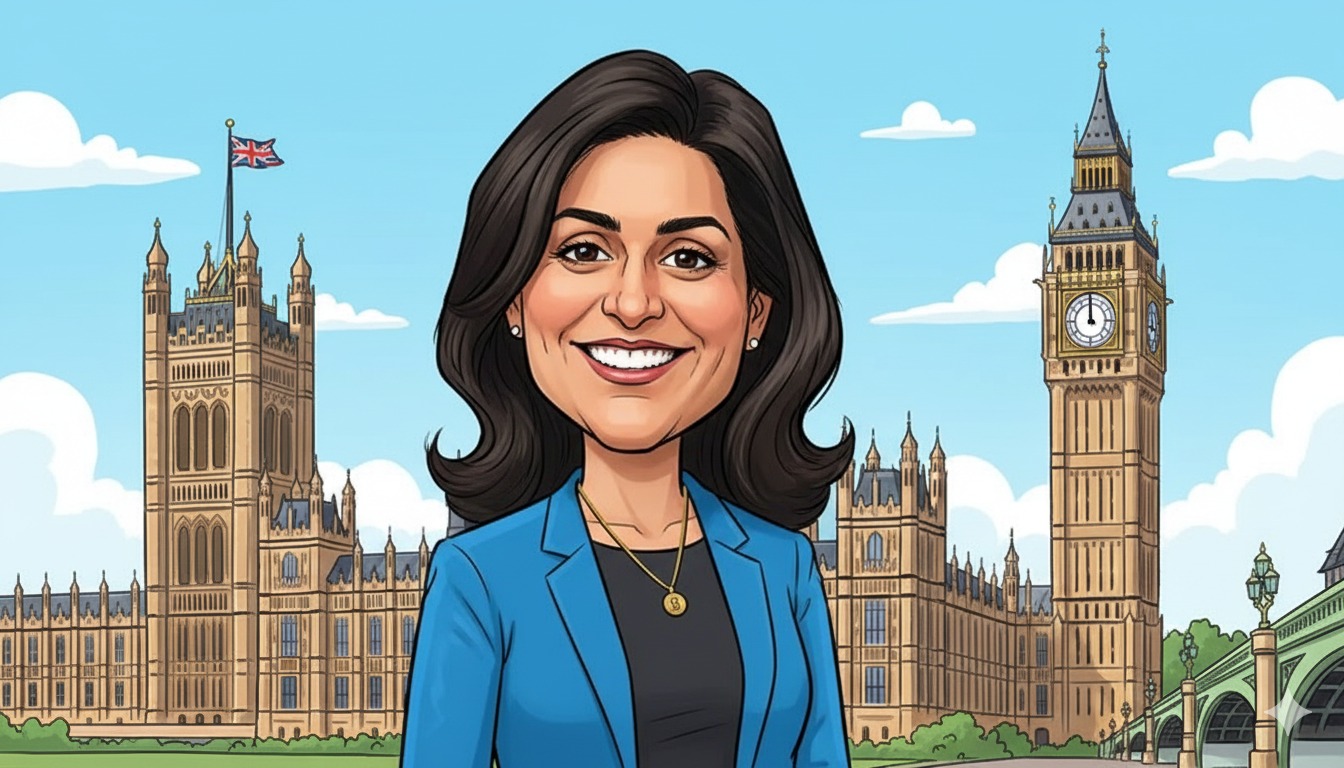
ILR to double from 5 to 10 years: Tough requirements to become a citizen. During her first speech as UK Home Secretary on Monday, Shabana Mahmood outlined some “tough” crackdowns on both legal and illegal immigration routes, requiring long-term residents to meet additional requirements and wait longer before being granted the right to settle in the country.
The Kashmiri heritage minister used her parents’ migration experience in the 1970s as a point of reference in her keynote speech at the annual Labour Party conference in Liverpool. She emphasised that future applicants for indefinite leave to remain (ILR) must demonstrate excellent English language proficiency, have no criminal records, and make regular tax payments without relying on UK taxpayer benefits.
The time migrants must wait to be assessed for ILR is already going to quadruple, from five to ten years, as part of an ongoing consultation. The minister has confirmed that she would impose more restrictions to the process to make it more difficult for migrants to settle in Britain.
Migrants from all over the world, including India, will be impacted by these changes to the current five-year automatic route to ILR, which eventually opens up the possibility of British citizenship.
Mahmood stated, “As part of the consultation, I will be proposing a number of new tests, such as being employed, contributing to National Insurance (NI) taxes, not receiving any benefits, learning English to a high standard, and having no criminal history.”
Last but not least, that you have genuinely contributed to your neighbourhood by giving your time to a nearby cause. The first British Muslim minister to head the UK Home Office stated, “I do not think your ability to stay in this country should be automatic if you do not meet those conditions.”
“Simply spending time in this nation is insufficient. You have to gain the right to permanently reside in this nation, just like my parents did. I’m confident that our nation will embrace you if you do,” she remarked.
In a Cabinet reshuffle earlier this month, Prime Minister Keir Starmer promoted Mahmood, the Labour MP for Birmingham Ladywood, to her present job. She informed her party colleagues that she intends to take on the immigration situation head-on.
In the upcoming months, I might be characterised as a tough Home Secretary by some. That might be the case. However, remember that I will be a tough Labour Home Secretary, standing with you all to fight for a uniquely British vision of this nation,” she continued.
While acknowledging that not everyone will “always like what I do,” the minister promised to crack down on the “criminal gangs” responsible for the trafficking of migrants across the English Channel in perilous tiny boats.
Mahmood considered her own childhood as a shopkeeper’s daughter, when a cricket bat had to be stored under the cash register of her family business for protection, in relation to her ministerial mandate to combat crime.
“I think I’m the only Home Secretary who started off working behind the counter at my parents’ corner store. I am aware that shoplifting is not a low-level offence. I understand what it’s like to have a cricket bat on hand in case something goes wrong,” she said.
Therefore, I am aware that when we take harsh measures and address crimes like this, we unite communities. The open, accepting, and giving nation we aspire to is contingent upon safety. The country as a whole is affected, even though it begins with our streets,” she stated.
The minister denounced the recent far-right anti-immigration marches in London as a growing wave of “ethno-nationalism” that runs counter to the “open, tolerant, generous” British values.
“Patriotism, a positive force, is becoming less powerful. Mahmood described it as more akin to ethno-nationalism, which finds it difficult to believe that someone who shares my appearance and creed can actually be British or English.
Therefore, our current challenge is to maintain national unity as well as win the upcoming election. She went on, “And to fight for our belief in a greater Britain, not a lesser England.”