

Introduction
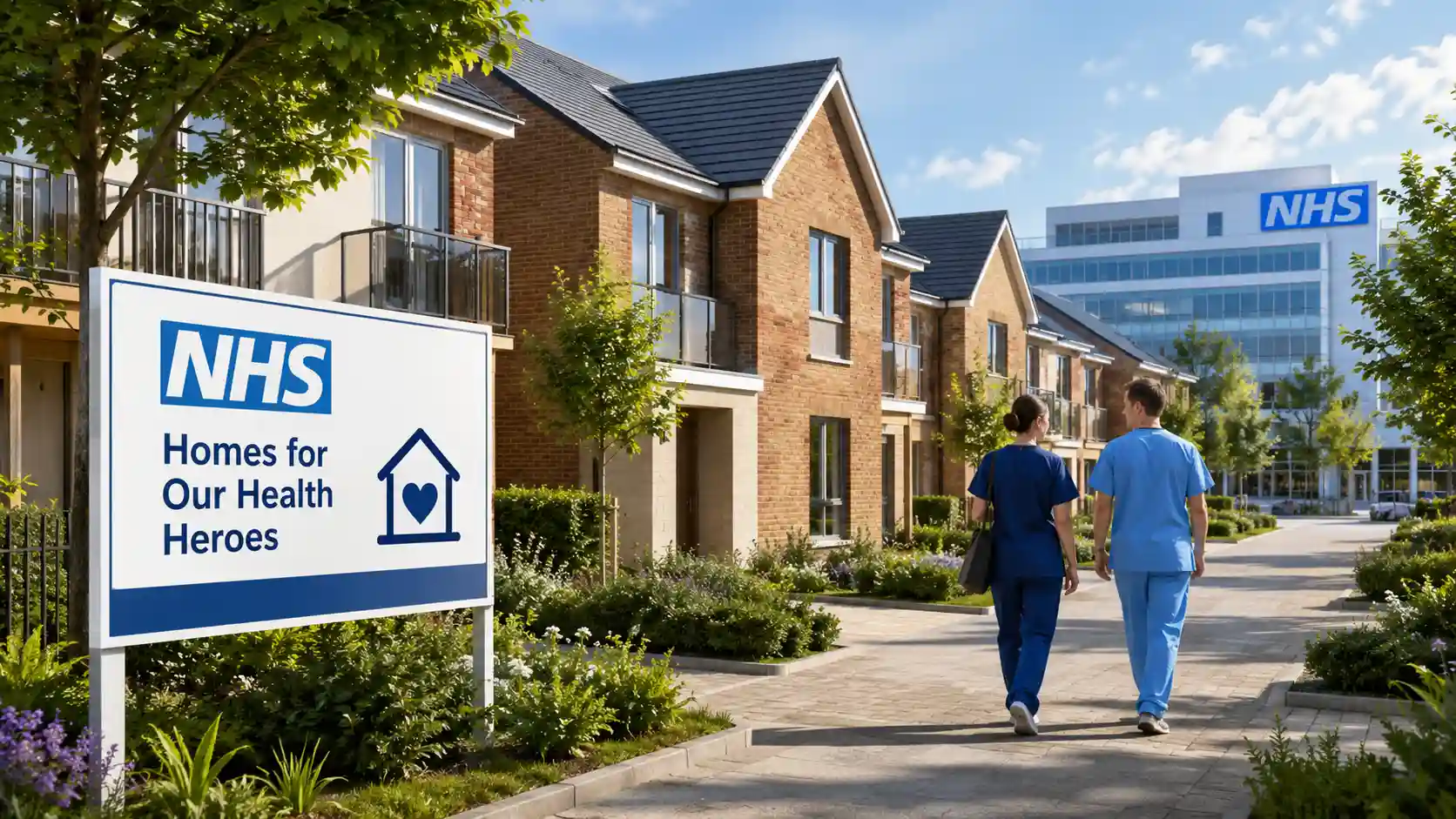
NHS to Build Affordable Homes for Health Workers: The UK Government has announced a major initiative to improve recruitment and retention across the National Health Service (NHS) by using underused NHS land to build affordable housing for healthcare workers. The proposal forms part of the Government’s ambitious 10-year NHS capital investment plan, which also includes funding to modernise hospitals, improve GP surgeries, and expand community healthcare services.
This article explains the latest proposals, who will benefit, and what the plans mean for NHS staff across England.
New proposals to use NHS land for affordable housing for health workers
The Government has said it will let NHS trusts lease underused land to housing developers to build affordable homes for staff.
The residences will be available to rent for nurses, porters and other staff, and are meant to help the health service recruit personnel in areas where accommodation is expensive, the Department of Health and Social Care (DHSC) said.
It is part of the Government’s new 10-year capital plan for the NHS, which includes extra funding to assist GP offices expand and upgrade and money to fix decaying hospitals.
DHSC said most of the new affordable homes will be let to workers at subsidised rents, but others will be at market prices.
The land will be leased from NHS trusts who will retain ownership.
The plan will start with a series of pilot schemes, and will be rolled out widely if they prove effective.
Investment in NHS Buildings and Hospital Repairs
Elsewhere the Government is investing £6.75 billion over the next nine years to repair deteriorating buildings and deal with the maintenance backlog which is anticipated to be a record £15.9 billion.
Another £200 million will also be invested in improving GP practices.
That means taking idle rooms and turning them into places to see patients and rearranging surgery to see more patients.
Health Minister Highlights Long-Term NHS Vision
“NHS patients – and the brilliant staff who care for them – are entitled to modern buildings, reliable equipment and services that are fit for the future,” said Health minister Karin Smyth.
“Too many NHS buildings are dilapidated and outdated. This Government is making the long-term decisions needed to restructure the health service.
“Our 10-year capital plan underpins this ambition with record investment and reforms that will help patients get faster appointments, better facilities, modern technology and more care closer to home for patients across the country.”
Faster Approval for NHS Building Projects
Meanwhile, the Government will seek to make it easier for the NHS to get building projects off the ground, with initiatives worth up to £300 million authorised by DHSC instead of the Treasury.
The plan also confirms the roll out of 250 neighbourhood health centres bringing GP and other community services together under one roof and investing in enhanced technology across the health service.
NHS Alliance Welcomes the Investment
Sir Ciaran Devane, chief executive of the NHS Alliance, said:
“Our members will be happy to see the Government focusing on long-term NHS capital investment.
“Multi-year funding, faster approvals and investment in GP premises and technology will enable NHS leaders to continue to plan more effectively, start to modernise facilities, further improve productivity and above all, improve patient care.”
What This Means for NHS Staff
The proposed affordable housing scheme is designed to make it easier for NHS workers to live closer to their workplaces, particularly in areas where housing costs are high. Combined with significant investment in hospitals, GP practices, neighbourhood health centres, and healthcare technology, the Government aims to strengthen the NHS workforce while improving patient care across the country.
Conclusion
The Government’s proposal to build affordable homes on underused NHS land represents a significant step towards addressing recruitment challenges faced by the health service. Alongside billions of pounds in capital investment, upgraded GP practices, faster building approvals, and expanded community healthcare facilities, the initiative reflects a long-term commitment to modernising the NHS. If the pilot housing schemes prove successful, they could play an important role in supporting healthcare workers while helping deliver better healthcare services for patients across the UK.