

Introduction
UK Visa Photo Requirements 2026: Applying for a UK visa or Electronic Travel Authorisation (ETA) now requires greater attention to photograph requirements. UK Visas & Immigration (UKVI) has introduced updated photo standards designed to improve digital verification and reduce application errors.
UKVI Releases New Photo Standards for Visa and ETA Applicants
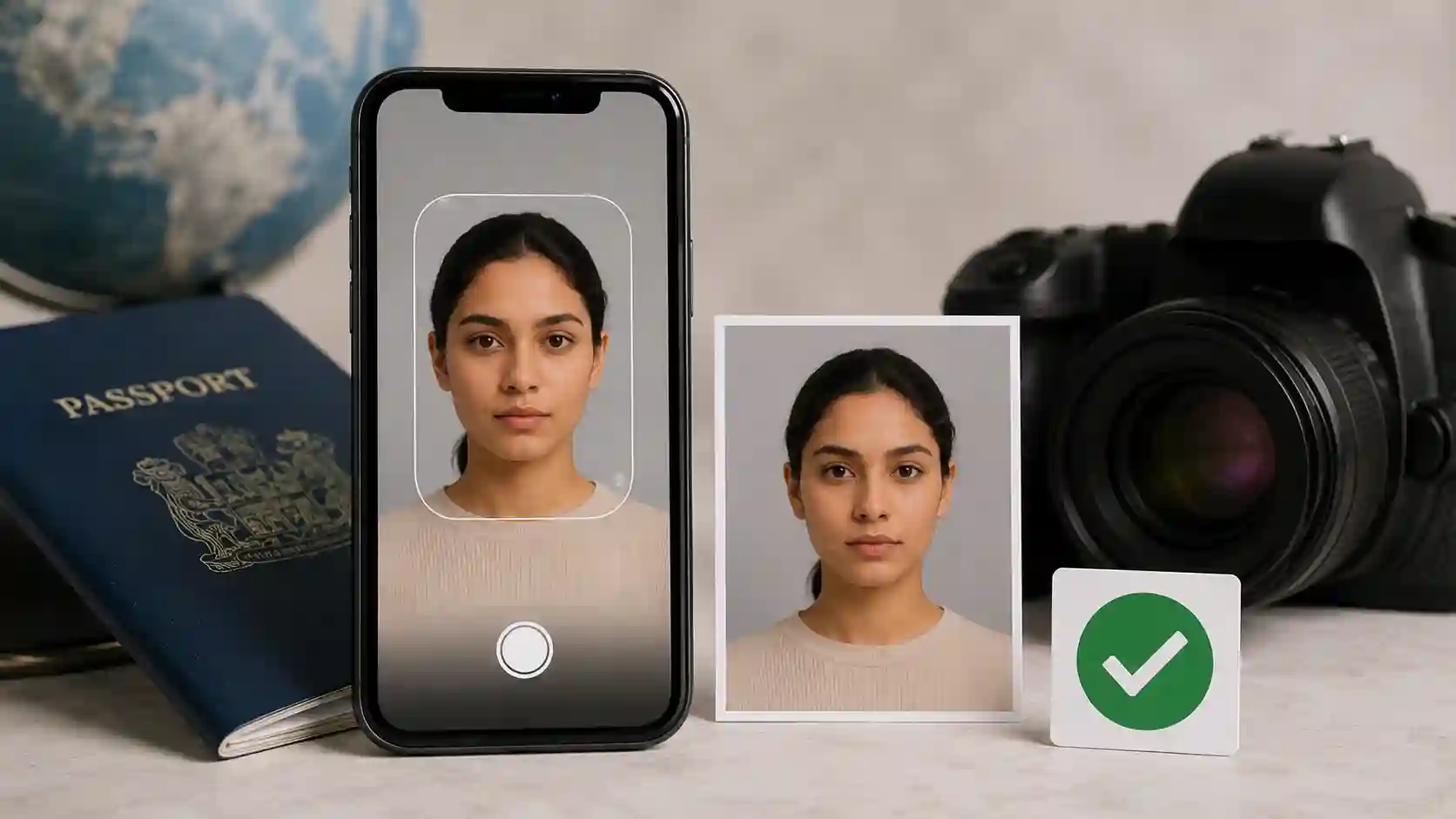
UK Visas & Immigration (UKVI) has announced revised photo standards for all visa and Electronic Travel Authorisation (ETA) applications. The new guidelines were tweeted on 7 July 2026. The upgrade requires a minimum resolution of 600 dpi, a neutral background that is ‘light grey or cream’ (white is no longer acceptable) and a face area of 60–70 percent within the frame.
Applications that do not satisfy these standards will be automatically rejected by the digital processing system. The technical modifications may seem small but immigration advisers say the move is significant because more than 80 per cent of ordinary UK visa and ETA applications are now completed fully online with the use of automated verification tools. Refusals and delays are mostly due to bad quality images: In Q2 2026, 12 percent of ETA refusals were purely due to photo non-compliance, according to UKVI figures. The new guidance further states that the photographs must be taken within the last six months and submitted as JPEG or HEIC files, and the file size must be under 10 MB.
For corporate mobility teams, the advise is to rapidly renew internal checklists, particularly in group trips where big batches of photographs are collected by third-party vendors, and to inspect photo booths used during international visa-surgeries.
“This will mean that if your photo is not up to standard, we will contact you if you have already applied and your case is still pending,” UKVI added.
Stakeholders applauded the clearer criteria and said there should be an online pre-check facility so that travellers could evaluate their photographs before paying the application fee. UKVI said that this capability was “in beta testing” and might be rolled out by November.
multinationals should tell recruiters and relocation providers about the new rules in practice. For employers sponsoring Skilled Worker, Global Business Mobility or Youth Mobility participants, the danger is that pictures are rejected, which results in delays to on-boarding, as a fresh biometric submission re-starts processing time-lines.
Conclusion
The latest UKVI photo standards highlight the growing importance of meeting digital application requirements accurately. Applicants, employers, relocation providers, and corporate mobility teams should review the updated specifications carefully to avoid unnecessary delays or application rejections. As UK visa and ETA applications continue to move toward fully automated processing, ensuring photographs comply with the new standards will be an essential step for successful applications.